Essential Tips for Choosing the Right Cooker Cable for Your Kitchen Needs
In today’s modern kitchens, the choice of a suitable cooker cable is paramount for ensuring both efficiency and safety. According to the National Fire Protection Association, faulty wiring and appliances account for a significant percentage of home fires, highlighting the critical importance of selecting the right cooker cable. This is particularly important as kitchen appliances become increasingly powerful and sophisticated. As expert electrician Jane Thompson notes, “Choosing the right cooker cable can prevent potential hazards and maintain the longevity of your appliances.” This emphasizes not just the practicality of making informed decisions, but also the necessity of understanding electrical specifications and standards.
Understanding the various types of cooker cables available is essential for meeting specific kitchen needs. A report from the International Electrotechnical Commission indicates that inadequate cabling can lead to overheating and performance issues, which can compromise the functioning of high-powered cooking devices. Therefore, homeowners and professionals alike must consider factors such as cable ratings, insulation types, and installation requirements. By incorporating these essential considerations, one can ensure that their kitchen remains safe and operational, while also enhancing the cooking experience. Ultimately, the right cooker cable serves as the backbone of any kitchen setup, ensuring that culinary adventures can be enjoyed without the specter of electrical risks.
Importance of Choosing the Correct Cooker Cable for Safety Standards
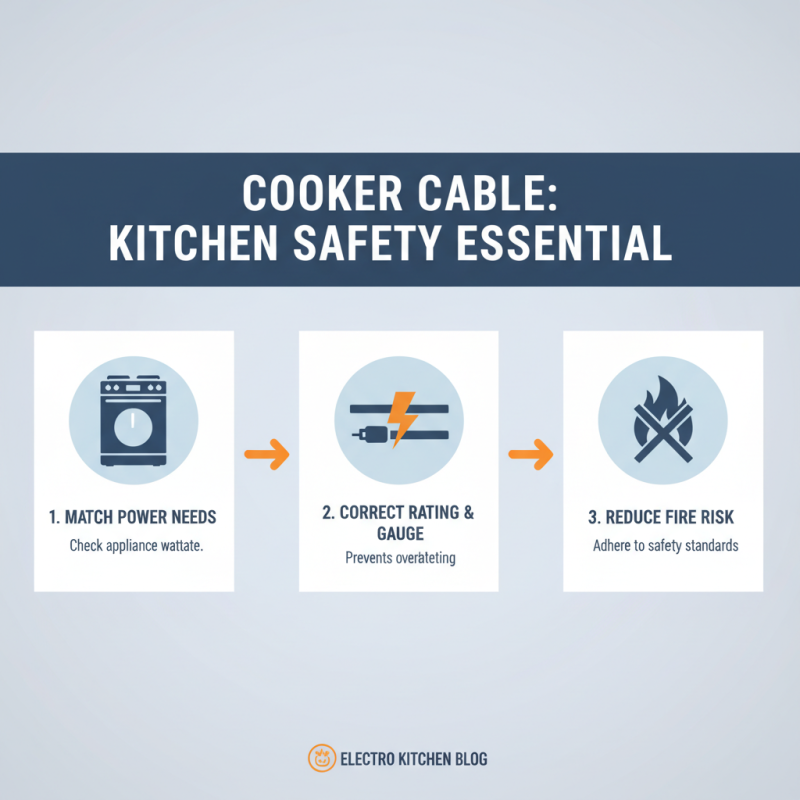
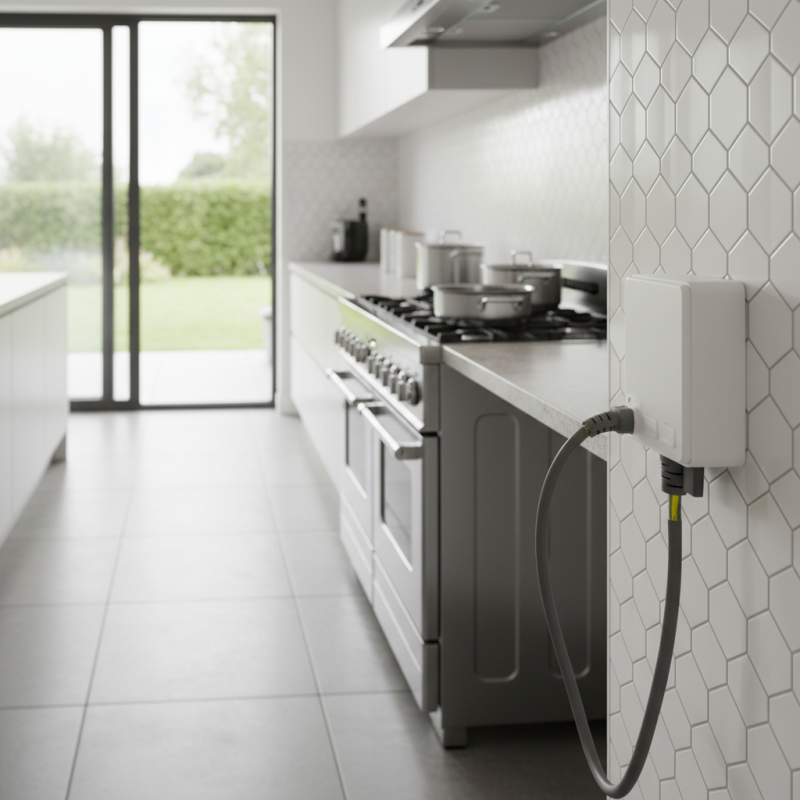
When setting up a kitchen, one of the most critical elements often overlooked is the cooker cable. Choosing the correct cooker cable is essential not only for optimal performance but also for adhering to safety standards. A suitable cable must match the electrical requirements of the cooker, which typically draws a significant amount of power. Ensuring the cable has the appropriate rating and gauge prevents overheating and minimizes the risk of electrical fires.
The importance of adhering to safety standards cannot be overstated. Using an incorrectly rated cooker cable can lead to dangerous situations, including short circuits and potential electrocution. It is crucial to understand the specific needs of your kitchen setup, including the cooker’s power consumption and the overall wiring of your home. By selecting the right cooker cable, you ensure not only the functionality of your appliance but also the safety of everyone in the household. Proper installation and compliance with electrical standards are vital steps in creating a safe cooking environment.
Understanding the Different Types of Cooker Cables Available in the Market
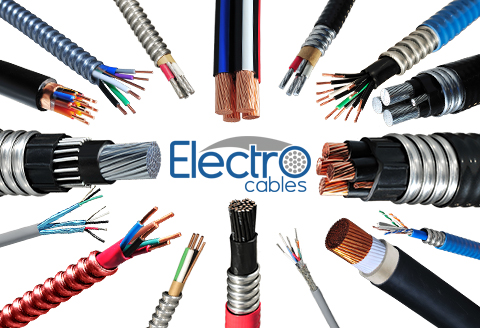
When choosing a cooker cable for your kitchen, it’s important to understand the different types available in the market. Cooker cables primarily vary based on their current ratings, which are crucial for ensuring safe operation of your appliances. Typically, cables are available in ratings of 6mm², 10mm², and 16mm², with each size accommodating different power requirements. For instance, a 6mm² cable is suitable for smaller cookers, while larger models that draw more power may require the robust 10mm² or 16mm² options. Selecting the correct current rating is essential to prevent overheating and potential hazards.
In addition to current ratings, cooker cables also differ in their construction and insulation types. Most cables are either single-core or multi-core, with multi-core cables offering flexibility in connections. Furthermore, insulation materials, such as PVC or XLPE, affect the durability and heat resistance of the cables. PVC cables are common for general use, while XLPE cables provide better performance in high-temperature environments. Understanding these distinctions can help you choose the appropriate cooker cable that meets both your appliance needs and safety standards in your kitchen.
Essential Tips for Choosing the Right Cooker Cable for Your Kitchen Needs
| Cable Type |
Voltage Rating |
Current Rating |
Material |
Length |
Applications |
| Single-Core |
230V |
16A |
Copper |
1.5m |
Ovens, Hobs |
| Multi-Core |
400V |
32A |
Aluminum |
3m |
Industrial Cookers |
| Flexible |
230V |
13A |
Copper |
2m |
Portable Cookers |
| Heavy Duty |
400V |
63A |
Copper |
5m |
Commercial Kitchens |
Evaluating Cable Ratings: Amperage and Voltage Requirements Explained
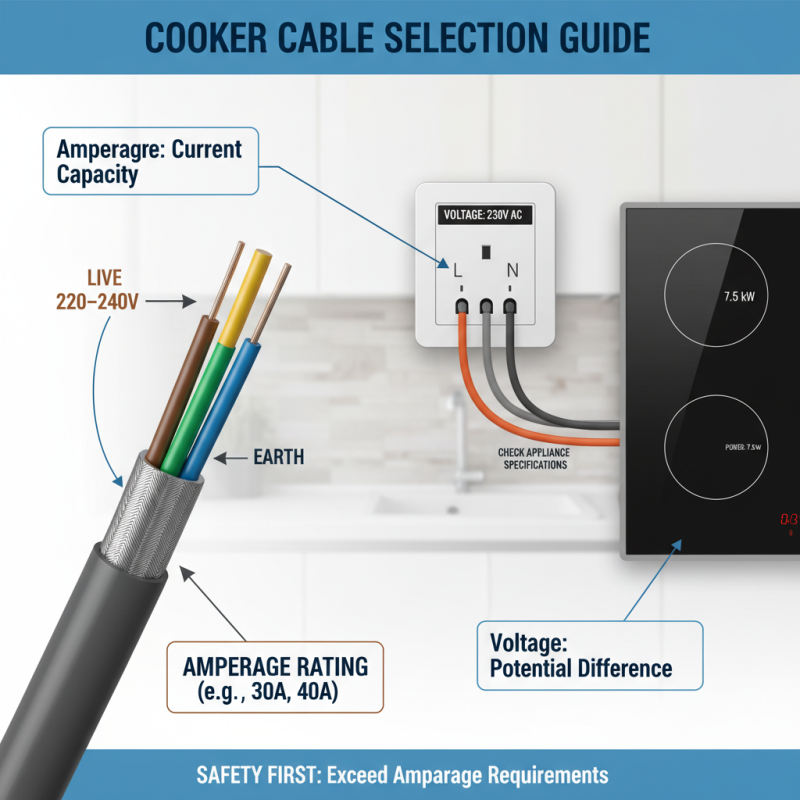
When selecting the right cooker cable for your kitchen, understanding the amperage and voltage ratings is crucial. Amperage refers to the amount of electrical current the cable can safely carry, while voltage indicates the potential difference that the cable is designed to handle. Most kitchen cookers operate on a standard voltage of 220-240 volts, but the amperage can vary greatly based on the model and its features. It's essential to check the specifications of your cooker and choose a cable that not only meets but exceeds the amperage requirements to ensure safety and efficiency.
One important tip when evaluating cable ratings is to always allow for some headroom in your choice. For instance, if your cooker requires a 20-amp cable, opting for a 25- or 30-amp cable can enhance safety and prolong the lifespan of both the cable and the appliance. Additionally, ensure that the cables have appropriate insulation to withstand high temperatures and resist wear over time.
Moreover, always consider the length of the cable you need. Longer cables may experience a slight voltage drop, which could affect performance. Thus, it’s advisable to choose a cable length that minimizes this aspect while still accommodating your kitchen setup. Making informed choices about amperage, voltage, and cable length can significantly impact the performance and safety of your kitchen appliances.
Installation Guidelines: Best Practices for Cooker Cable Setup in Kitchens
When installing a cooker cable in your kitchen, adhering to best practices is crucial for ensuring both safety and functionality. First, it’s essential to assess the power requirements of your cooker. Most cookers have a specified wattage, which will dictate the gauge and type of cable needed. Using a cable that is too thin for the power load can lead to overheating, creating a fire hazard. Always refer to the manufacturer’s guidelines for the correct specifications, and when in doubt, consult a qualified electrician.
Next, proper placement and installation of the cooker cable can greatly affect performance and safety. Ensure that the cable is routed away from any sources of heat or water, as these elements can degrade the insulation over time. It’s important to install the cable at a height that keeps it out of reach of any potential hazards in the kitchen. Additionally, make sure that all connections are securely fastened and that the cable is free from twists or sharp bends, which could compromise the integrity of the wiring. Following these installation guidelines will help create a safe cooking environment while maximizing the longevity of your equipment.
Common Mistakes to Avoid When Selecting Cooker Cables for Appliances
When selecting cooker cables for your kitchen appliances, avoiding common mistakes is essential for both safety and efficiency. One prevalent error is underestimating the required amperage. It’s crucial to choose a cable that can handle the power demands of your cooker. If you opt for a cable with insufficient amperage, it can lead to overheating and potential electrical hazards. Always check the specifications of your appliance and select a cooker cable that meets or exceeds those requirements.
Another mistake is neglecting the installation environment. Many people overlook the importance of selecting a cable that is suitable for the surroundings. For instance, if the cable will be exposed to moisture or extreme temperatures, it is vital to choose a heat-resistant and weatherproof option. Consider using cables with protective sheaths that safeguard against environmental factors and contribute to the longevity and safety of the installation.
Additionally, always ensure that the cooker cable length is appropriate for your kitchen layout. Too short a cable can strain connections, while excessively long cables can lead to tangling and damage. To avoid this, measure the distance from the appliance to the power source accurately. By paying attention to these details, you can select the right cooker cable that enhances the functionality of your kitchen appliances while keeping safety at the forefront.
Essential Tips for Choosing the Right Cooker Cable for Your Kitchen Needs