The Ultimate Guide to Choosing the Best Outdoor Electrical Cable in 2025
In 2025, the demand for reliable and efficient outdoor electrical cables has reached unprecedented heights, driven by the increasing need for robust electrical solutions in outdoor environments. According to a recent report by the Electrical Industry Association, the outdoor electrical cable market is projected to grow by 7% annually, reflecting the rising adoption of renewable energy sources and smart technologies in outdoor applications. As more homeowners and businesses rely on outdoor electrical connections for landscaping, security systems, and electric vehicle charging stations, selecting the right outdoor electrical cable has become a crucial task.
Renowned expert in the electrical wiring industry, Dr. Sarah Thompson, emphasizes the importance of making informed decisions when it comes to outdoor installations. She states, "Choosing the correct outdoor electrical cable not only ensures the longevity of your installation but also guarantees safety and efficiency in energy consumption." With various types, specifications, and features available in the market, understanding the critical factors that influence selection is essential for both homeowners and professionals. This guide aims to provide insightful tips and crucial information that will empower you to navigate the complexities of choosing the best outdoor electrical cable for your specific needs in 2025.

Understanding Outdoor Electrical Cable Types: A Comprehensive Overview
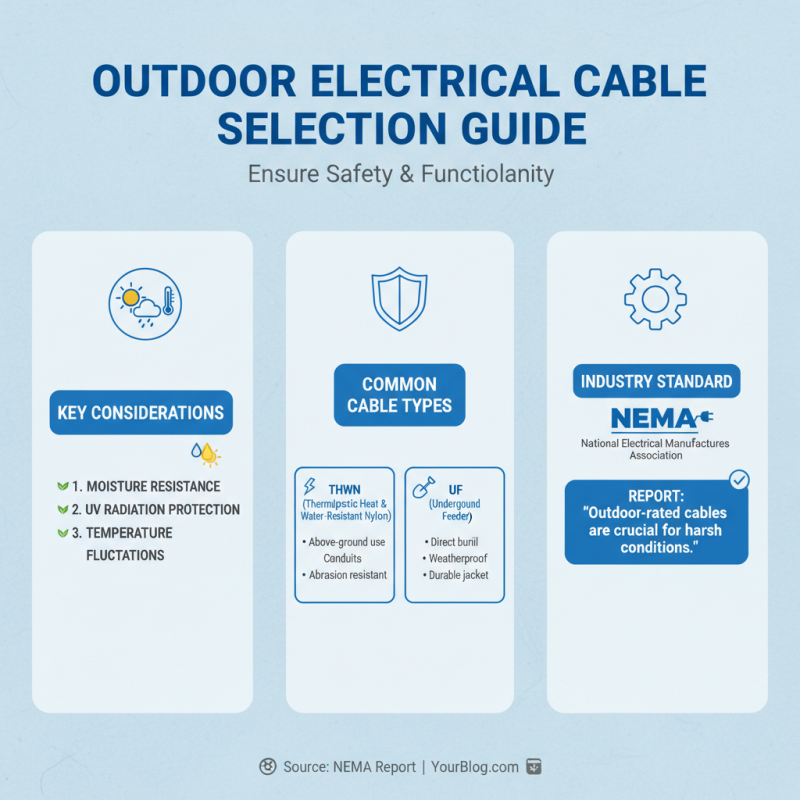
When selecting the right outdoor electrical cable, understanding the various types available is essential for ensuring safety and functionality. Outdoor electrical cables are primarily designed to withstand environmental factors like moisture, UV radiation, and temperature fluctuations. According to a report from the National Electrical Manufacturers Association (NEMA), outdoor-rated cables such as THWN (Thermoplastic Heat and Water-Resistant Nylon) and UF (Underground Feeder) cables are commonly employed for outdoor applications due to their durability and reliable performance in harsh conditions.
THWN cables are particularly noted for their moisture and heat resistance, making them suitable for a variety of outdoor projects, from landscape lighting to irrigation systems. In contrast, UF cables are designed for direct burial and are often used in applications where the cable will be buried underground. Furthermore, the International Electrotechnical Commission (IEC) highlights that using the appropriate insulation type is crucial, as it influences the cable's resistance to temperature extremes and prevents premature aging. This comprehensive understanding of outdoor electrical cable types allows for informed decisions that enhance safety, efficiency, and the longevity of outdoor electrical installations.
Key Specifications to Consider for Outdoor Electrical Cables in 2025
When choosing the best outdoor electrical cable in 2025, several key specifications must be considered to ensure safety and performance. One of the primary aspects is the cable's insulation material. For outdoor use, cables are typically insulated with materials like PVC or thermoplastic elastomers, which provide protection against moisture, UV rays, and temperature fluctuations. Additionally, the gauge of the wire is crucial; a lower gauge number indicates a thicker wire that can handle higher currents, making it ideal for heavy-duty applications.
Tips: Always consult the local electrical codes and guidelines prior to installation. This will not only ensure compliance but also enhance safety in your project.
Another important specification to consider is the cable's temperature rating. Look for cables with a higher temperature tolerance, especially if you're in areas with extreme weather conditions. Furthermore, check for ratings such as UL (Underwriters Laboratories) or NEC (National Electrical Code) standards, which indicate that the cable has been tested for safety and performance in outdoor environments.
Tips: Consider the length of the cable run and potential voltage drop. Longer runs may require thicker cables to minimize energy loss.
Top Brands and Standards in Outdoor Electrical Cables: Industry Insights
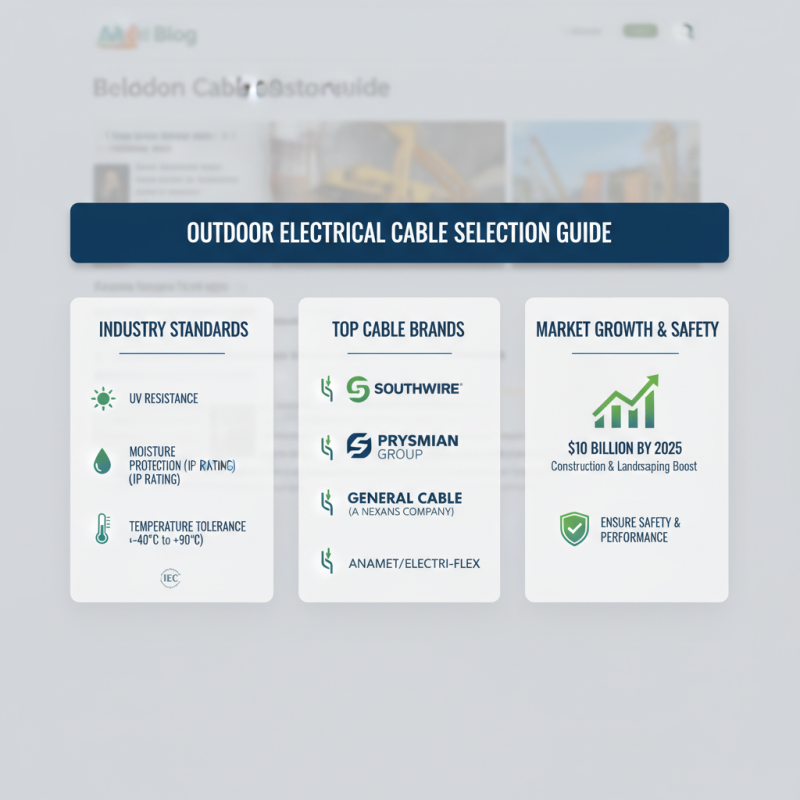
When it comes to choosing outdoor electrical cables, understanding the top brands and industry standards is crucial for ensuring safety and performance. According to a recent report by the International Electrotechnical Commission (IEC), outdoor electrical cables must adhere to specific criteria including UV resistance, moisture protection, and temperature tolerance. The rise in construction and landscaping projects—expected to fuel the outdoor electrical cable market to an estimated $10 billion by 2025—highlights the importance of selecting cables that meet these rigorous standards.
Industry reports indicate that more professionals are prioritizing cables certified under UL (Underwriters Laboratories) and IEC standards. These certifications ensure that the cables are sufficiently tested for outdoor use, capable of withstanding harsh environmental conditions. Moreover, with more consumers becoming environmentally conscious, there is a notable shift towards sustainable materials in cable production, a trend expected to grow as manufacturers innovate to reduce their carbon footprint. This growing emphasis on quality and sustainability within the marketplace not only ensures safety but also enhances the longevity of installations, proving critical for both residential and commercial applications in outdoor settings.
Safety Ratings and Certifications for Outdoor Electrical Cables: What to Know
When choosing outdoor electrical cables, understanding safety ratings and certifications is crucial. These indicators ensure that the cables can withstand environmental challenges, such as moisture, temperature fluctuations, and UV exposure. Look for cables that are rated for outdoor use, which typically means they have a weather-resistant jacket and are built to endure harsh conditions. The most recognized certifications include UL (Underwriters Laboratories) and ETL (Intertek), which signify that the cable has passed rigorous safety testing.
Tips: Always check for additional markings like the "sunlight-resistant" label, ensuring the cable can handle prolonged exposure to sunlight without degrading. It's also essential to verify that the cable is rated for the appropriate voltage to meet your specific requirements, which will prevent potential hazards and ensure efficient performance.
Another important aspect is the insulation type; many outdoor cables utilize thermoplastic materials or rubber to enhance resilience against the elements. Evaluate the gauge of the cable as well, since lower gauge numbers indicate thicker wires capable of carrying more current safely. Selecting a cable that meets these safety standards and certifications will not only protect your devices but also provide peace of mind while using electrical installations outdoors.
The Ultimate Guide to Choosing the Best Outdoor Electrical Cable in 2025
This chart illustrates the safety ratings of various types of outdoor electrical cables based on independent testing and certifications. The evaluation is based on factors like UV resistance, water resistance, and durability.
Future Trends in Outdoor Electrical Wiring: Innovations to Watch in 2025
In 2025, the landscape of outdoor electrical wiring is set to experience significant innovations driven by advancements in technology and evolving consumer needs. One trend to watch is the increasing adoption of environmentally friendly materials. According to a report by the International Electrical Code Institute, up to 60% of consumers now prioritize sustainable options in their purchasing decisions. This shift promotes the use of biodegradable insulation and recyclable cables that reduce environmental impact while maintaining performance.
Another noteworthy trend is the integration of smart technology with outdoor electrical systems. As the Internet of Things (IoT) continues to expand, outdoor electrical solutions will increasingly feature smart controls. A recent survey by the Smart Home Alliance indicated that 75% of homeowners expressed interest in smart outdoor lighting systems that can be controlled via mobile applications, promoting both convenience and energy efficiency. The growing demand for connected solutions will drive manufacturers to innovate more sophisticated and user-friendly outdoor wiring options.
Tips: When selecting outdoor electrical cables, consider both the insulation material and the voltage rating to ensure safety and longevity. Additionally, investing in products with UV resistance can significantly extend the lifespan of your wiring in harsh outdoor conditions. Always keep an eye on emerging technologies that enhance efficiency and sustainability, as these are likely to shape your wiring choices in the near future.
The Ultimate Guide to Choosing the Best Outdoor Electrical Cable in 2025 - Future Trends in Outdoor Electrical Wiring: Innovations to Watch in 2025
| Cable Type |
Application |
Material |
Voltage Rating |
Water Resistance |
UV Resistance |
Future Innovations |
| THHN |
General purpose electrical installations |
Copper |
600V |
Yes |
Moderate |
Enhanced insulation technology |
| UF Cable |
Underground wiring |
Copper/Aluminum |
600V |
Yes |
High |
Self-healing materials |
| XHHW Cable |
High-voltage applications |
Aluminum |
600V |
Yes |
Very high |
Smart sensors integration |
| SOW Cable |
Temporary outdoor power supply |
Rubber |
600V |
Yes |
High |
Flexible design for extreme temperatures |