A partner you can trust
Choosing the right Crushing Machine in 2026 begins with the material, not the brochure. Ore hardness, feed size, moisture, abrasiveness, and required output must guide every decision. A machine that performs well in dry granite may struggle with sticky limestone. That difference matters.
Dr. Tim Napier-Munn, a respected comminution expert, expresses a practical principle: “Good crusher selection begins with understanding the ore and the process.” This view keeps equipment decisions connected to real operating conditions. Buyers should compare jaw, cone, impact, and gyratory designs against the complete crushing circuit. Check closed-side setting, motor power, reduction ratio, liner life, and hourly capacity. Also inspect dust-control systems and access around the machine. A clear maintenance area can save hours beside a noisy, vibrating plant.
The best option is not always the largest one. Oversized equipment can increase energy use, installation costs, and unnecessary downtime. An undersized unit may create bottlenecks, excessive wear, and unstable product grading. Site trials, laboratory tests, and verified performance data deserve more trust than confident sales language. Still, no selection model is perfect. Feed conditions change, operators make mistakes, and production targets can shift. That uncertainty should appear in the purchasing plan.
This guide will examine practical selection criteria for modern plants. It will connect technical specifications with daily experience. It will also question common assumptions about automation, energy efficiency, and total ownership cost. A reliable Crushing Machine should produce consistent material safely, economically, and repeatedly. Not just on commissioning day.
How to Choose the Right Crushing Machine in 2026?
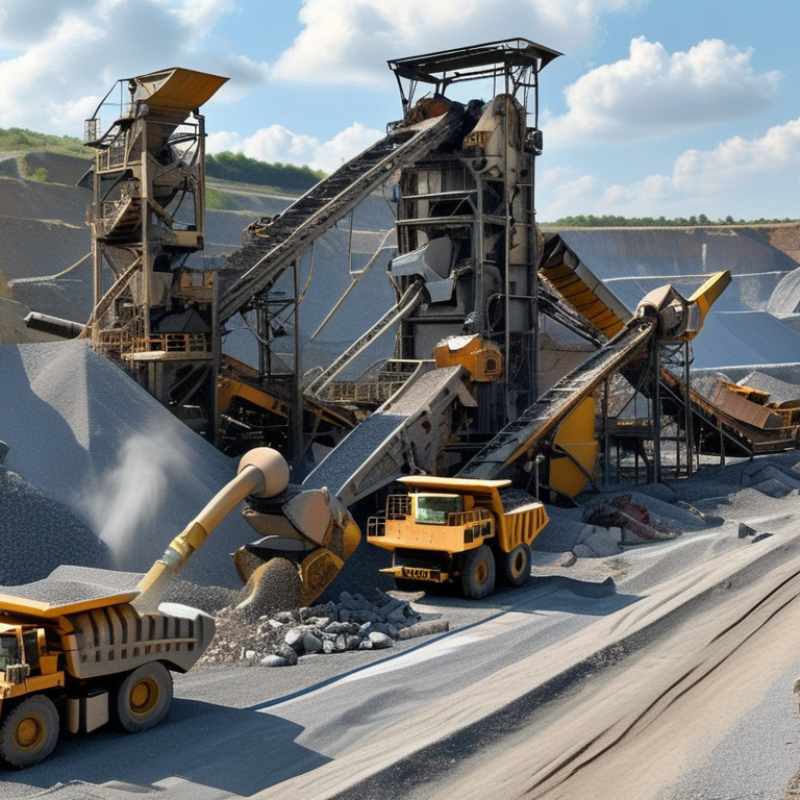
A crushing machine reduces large rock into controlled sizes for construction, mining, recycling, or industrial processing. The process may use compression, impact, or a combination of both. A jaw crusher often handles large, hard feed material, while cone equipment produces more uniform aggregate. Impact machines can shape softer or less abrasive materials efficiently.
The right choice matters because feed conditions change performance quickly. Check the material’s hardness, moisture, abrasiveness, maximum feed size, and required output size. Throughput also matters. A machine rated for 200 tons per hour may produce less when the rock is wet or poorly fed. I have seen projects focus on purchase price and overlook wear parts, electrical demand, and maintenance access. That decision became expensive.
Ask for test results using material similar to yours. Review the product curve, motor load, dust control, guarding, emergency stops, and inspection points. A simple site walk can reveal problems that a brochure misses. Measure truck access and foundation space before ordering. Operators should also understand the controls and routine checks. Training is not decoration.
No machine fits every site. A compact unit may save space but limit capacity. A powerful unit may waste energy when the feed is small. My own evaluations are not always perfect; laboratory samples can hide seasonal moisture or inconsistent rock layers. Recheck assumptions with production data after installation, then adjust the feed rate, screen settings, or maintenance schedule carefully.

Machine selection should begin with the material, not the advertised capacity. Hard granite needs compression crushing and controlled wear protection. Soft limestone may accept impact crushing for better shaping. Moist clay is different. It can block screens and reduce consistent feeding.
A machine producing 500 tonnes per hour is unsuitable if the feed system cannot sustain it. Capacity figures are often idealized. Real sites are messier.
I match the machine to feed size, moisture, abrasiveness, and the required product curve. A primary jaw unit suits large, tough rock. A cone stage can refine hard, abrasive material. An impact stage may improve aggregate shape, but wear can rise with very hard feed.
Check the desired output before choosing the chamber. Is the target base material, manufactured sand, or precise construction aggregate? Screening also matters. A poor screen can undo a good crusher.
I have seen operators increase power when the real problem was wet feed. That decision wastes energy and delays production. Test samples, measure actual moisture, and compare hourly output against the full operating cost.
Choosing a crushing machine starts with the material, not the advertised capacity. Measure feed size, hardness, moisture, and abrasiveness from real samples. A machine rated for 200 tonnes per hour may perform poorly with wet, sticky feed. Compare maximum feed opening, discharge range, and reduction ratio. These figures reveal whether the machine suits your process. Check product shape too. Cubical output may require controlled crushing stages and adjustable settings.
Power consumption deserves close attention. Compare kilowatts per tonne, not motor size alone. Review the operating speed, chamber volume, and expected utilization rate. Ask for test data under conditions similar to your site. Also inspect wear-part life, replacement time, and access around the crushing chamber. A low purchase price can become expensive when liners require frequent changes. I have seen calculations fail because maintenance labor was ignored.
Tips: Record hourly feed rates for several days. Check dust control, noise limits, guarding, emergency stops, and sensor accuracy before buying. Confirm that local technicians can service the equipment and that spare parts remain available. Do not trust capacity figures without defining feed gradation and moisture. A perfect spreadsheet is impossible. Real material varies. Leave operating capacity below the maximum rating, especially during seasonal changes. Consider automation carefully, but keep manual inspection points for unusual vibration, blocked discharge, or rising power draw.
How to Choose the Right Crushing Machine in 2026?
How Site Conditions Affect Crushing Machine Selection
Site conditions should guide crushing machine selection, not catalogue capacity alone. Wet clay can blind screens and clog feed openings. It changes everything. In hard granite, impact loads rise quickly, while abrasive quartz accelerates wear. The U.S. Geological Survey’s Mineral Commodity Summaries 2025 estimated U.S. crushed stone production at about 1.5 billion metric tons in 2024. That scale demands reliable, site-specific planning.
Measure more than the rock. Check moisture, feed size, haul-road access, elevation, dust limits, and available power. A compact machine may suit a narrow urban site, but a remote quarry may need higher fuel autonomy and simpler maintenance. On recycled concrete sites, steel contamination and variable feed can cause unexpected stoppages. I have seen theoretical capacity look impressive, yet actual output fall after rain. That mistake deserves more attention.
Tips: Test representative material before purchase. Record moisture changes across seasons. Ask for measured throughput, not only rated capacity. Compare wear cost per tonne, transport weight, and setup time. The U.S. Geological Survey also reported roughly 870 million metric tons of construction sand and gravel in 2024, showing why material variability matters. Local trials remain valuable. No spreadsheet fully captures a muddy morning.
Safety should guide the first equipment review, not appear as an afterthought. Inspect guarding, emergency stops, access platforms, and dust-control points before comparing output. Ask operators where blockages usually occur. Their answers often reveal risks hidden in technical brochures. Clear maintenance access matters. A cramped service area can turn a simple inspection into a dangerous delay.
Maintenance records should show realistic service intervals, spare-part availability, and inspection procedures. Look for wear indicators on liners, belts, bearings, and screens. Small faults become expensive quickly. Energy use also deserves measured attention. Compare power consumption per processed tonne under your actual feed conditions, not only laboratory figures. Moisture, rock hardness, and uneven feeding can change results. Request monitored operating data when possible.
Total cost includes installation, labor, downtime, electricity, consumables, and eventual component replacement. A cheaper machine may demand more frequent shutdowns. That is easy to underestimate. Build a three-to-five-year cost model using conservative assumptions. Include one uncomfortable scenario: lower production during maintenance. It may expose weaknesses in the original calculation. Reliable selection comes from site trials, documented inspections, and conversations with experienced maintenance teams. Still, no model predicts everything. Allow room for uncertainty.
This content is restricted to site members. If you are an existing user, please log in. New users may register … LEARN MORE “Lighting Power & Control-Signal Cable”
We are here to help. You can contact us or create an account online to have access to special products, technical specifications and our new online quote tool.
ELECTRO CABLES
9 Riverside Drive
P.O. Box 276
Trenton, Ontario
CANADA K8V 5R5
N.A. Toll Free: 888-ELECTRO
(1-888-353-2876)
World: 613-394-4896
Fax: 613-394-4101
Email: sale@machinecables.com
We manufacture cables that are certified by the Canadian Standards Association (CSA), listed by Underwriters Laboratories and/or listed by Intertek (ETL).
Our quality management system is registered to ISO 9001: 2015. Our team is dedicated to consistently providing quality service and products to our customers.

© 2025 ELECTRO CABLES • SITE BY SNAP 360•