How to Choose the Right Trailer Cable for Your Needs?
Choosing the right trailer cable is crucial for ensuring safety and efficiency in towing. Proper trailer cable selection affects vehicle performance and overall towing experience. Quality can vary greatly, making it essential to understand your specific needs.
When assessing your options, consider the type of trailer you'll use. Different applications require different cable types. Look for cables with appropriate gauge sizes and protective coatings. Not all cables handle the same weight or environmental conditions.
It's easy to overlook details when making a choice. However, a well-chosen trailer cable can prevent future headaches and enhance towing reliability. Balancing cost and quality is essential, and sometimes, cheaper options might lead to problems down the line. Prioritize quality to ensure safety and avoid unnecessary risks.
Understanding Cable Types: Flat vs. Round Trailing Cables
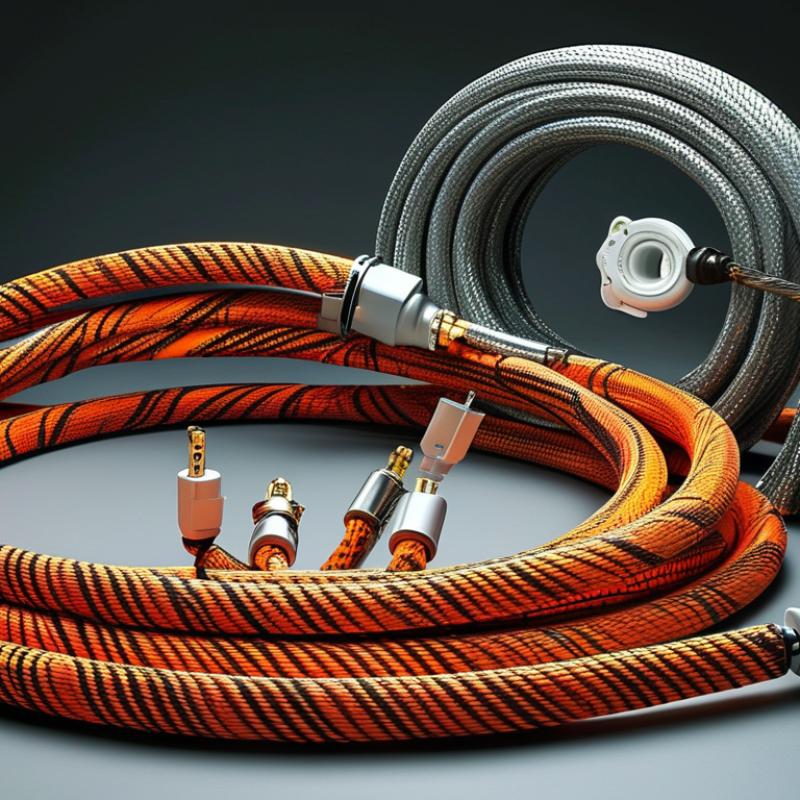
When selecting trailer cables, it's essential to understand the differences between flat and round trailing cables. Each type has its advantages and specific uses.
Flat cables are typically easier to handle and store. They lie flat against surfaces and can be less prone to tangling. However, they may lack the durability needed for harsher environments.
On the other hand, round cables are known for their robustness. They often feature better insulation and flexibility, allowing them to withstand varying weather conditions. This makes them more suitable for off-road use.
The rounded shape can help prevent damage from bending or twisting, which is common during transport.
Consider your specific requirements before making a choice. Analyze the environment where the trailer will operate. Think about how often you'll need to connect and disconnect the cable. If your focus is on ease of maintenance, flat cables might seem ideal, though they can fray over time. If long-term durability is your priority, round cables could be the way to go, even if they are bulkier and more challenging to manage. Assessing these factors will empower you to make a more informed decision.
Key Factors in Trailer Cable Selection: Gauge, Length, and Insulation
When selecting the right trailer cable, the gauge is a crucial factor. The gauge determines the wire's thickness and current-carrying capacity. A lower gauge number means a thicker wire, suitable for heavy-duty applications. For lighter trailers, a higher gauge, like 14 or 16, could suffice. Proper gauge selection ensures optimal performance and prevents overheating.
Length is another important consideration. Measure the distance from your vehicle to the trailer. It's essential to choose a cable that matches this length without excess slack. Too long of a cable can lead to tangling and wear, while too short can create tension. A snug fit eliminates potential hazards during transport.
Lastly, when it comes to insulation, prioritize materials like PVC or polyethylene for durability. These insulations protect the wire from the elements and wear. Choosing weather-resistant options is vital, especially if you'll expose your cable to harsh conditions. Reflect on your needs and how often you use the trailer. The right insulation can extend the cable's life and enhance reliability.
How to Choose the Right Trailer Cable for Your Needs?
| Gauge |
Length (Feet) |
Insulation Type |
Maximum Load (Amps) |
| 12 |
25 |
PVC |
20 |
| 10 |
50 |
Rubber |
30 |
| 8 |
100 |
XLPE |
50 |
| 14 |
15 |
Nylon |
15 |
NEMA Standards and Ratings: Ensuring Compatibility and Safety
When choosing the right trailer cable, understanding NEMA standards is crucial. These standards ensure compatibility and safety across various electrical systems. NEMA, or the National Electrical Manufacturers Association, provides guidelines that specify dimensions, performance, and safety for electrical connectors. This can prevent potential hazards when connecting different equipment.
Selecting a cable that meets NEMA standards means assessing your specific needs. Consider the amperage and voltage limitations outlined in the ratings. For example, a cable rated for higher amperage can handle more load without overheating. You should also think about the environment in which the cable will be used. Weatherproof ratings are essential for outdoor conditions.
Not all cables are created equal. Some may appear suitable but lack the required certification. Without these standards, you risk reliability issues. It is wise to consult with professionals who have experience in electrical systems. Their expertise can guide you in selecting a cable that meets both your operational needs and safety requirements. Reflecting on your choices can help avoid future problems.
Trailer Cable Ratings Comparison
This chart illustrates the different ratings of trailer cables based on NEMA standards, showcasing their current capacity in Amperes (A) for various wire sizes in AWG (American Wire Gauge). Selecting the right cable is crucial for ensuring safety and compatibility with your equipment.
Common Applications of Trailer Cables in Automotive and Industrial Use
When considering trailer cables in automotive and industrial applications, it’s essential to understand their various uses. In the automotive sector, trailer cables power electrical systems in vehicles used for hauling and towing. According to a study by the Automotive Industry Association, nearly 80% of trailers in the U.S. are equipped with electrical systems that depend heavily on reliable trailer wiring. Robust connections ensure safety, which is critical in transportation.
In the industrial sector, trailer cables serve multiple functions. They provide electrical connectivity for machinery in factories and construction sites. A report from the Industrial Wiring Association indicates that improper wiring leads to 25% of downtime in operations. Choosing the wrong cable can jeopardize performance and safety standards. Many businesses fail to consider cable ratings, contributing to operational inefficiencies.
Different environments require different cable types. For outdoor use, cables must be weather-resistant. In contrast, environments with high temperatures may need specialized cables to prevent insulation failure. Understanding these details can make a significant difference in the performance and durability of your equipment.
Maintenance Tips for Longevity of Trailer Cables: Inspection and Care
Proper maintenance of trailer cables is essential for their longevity and performance. According to industry reports, up to 30% of cable failures are linked to lack of inspection and care. Regular visual inspections can prevent many issues. Look for signs of wear, fraying, or corrosion. Damaged cables can lead to significant safety risks during towing.
Routine cleaning can significantly enhance cable lifespan. Remove dirt and debris to avoid short circuits. Additionally, store cables in a dry environment when not in use. Humidity and extreme temperatures can degrade their integrity. Check your connections monthly, ensuring they are secure and free from rust. Loose connections are a common failure point.
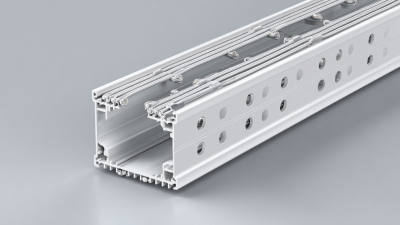
Chafing is another major problem. Protect cables from sharp edges and friction. Consider using protective covers or raceways to shield them. Overall, proactive maintenance practices can improve safety and reliability. Remember, even small issues can escalate quickly; addressing them promptly is crucial. An informed approach to cable upkeep fosters longer-lasting and safer trailer operations.