
7 Best Armoured Cable Glands for Global Buyers?
Choosing the right armoured cable gland is a small decision with serious consequences. It can affect enclosure protection, cable security, grounding continuity, and long-term maintenance. For global buyers, the choice becomes more complex. Cable armour types, thread standards, entry sizes, sealing materials, and environmental ratings vary across markets.
This guide examines seven armoured cable gland options suited to industrial, commercial, and infrastructure applications. Each option is considered through practical criteria, including material quality, ingress protection, corrosion resistance, installation design, and compatibility with common armoured cables. We also consider documentation, supplier consistency, and after-sales support. These details matter when a gland is installed outdoors, inside a humid plant, or near vibration-heavy machinery.
Real installation experience shows that appearance is not enough. A polished brass body may still perform poorly if the sealing ring is mismatched. A stainless steel gland may offer better corrosion resistance, but its cost can challenge smaller projects. Some products also require tools or accessories that are easy to overlook. That deserves attention. No single gland is perfect for every cable and location. Buyers should verify dimensions, certification claims, operating conditions, and local installation requirements before ordering. The products discussed here are not ranked by price alone. They are compared for dependable performance, practical installation, and suitability for international purchasing decisions. Even experienced teams can miss a thread difference. Careful checking remains essential.
What Are Armoured Cable Glands and How Do They Work?
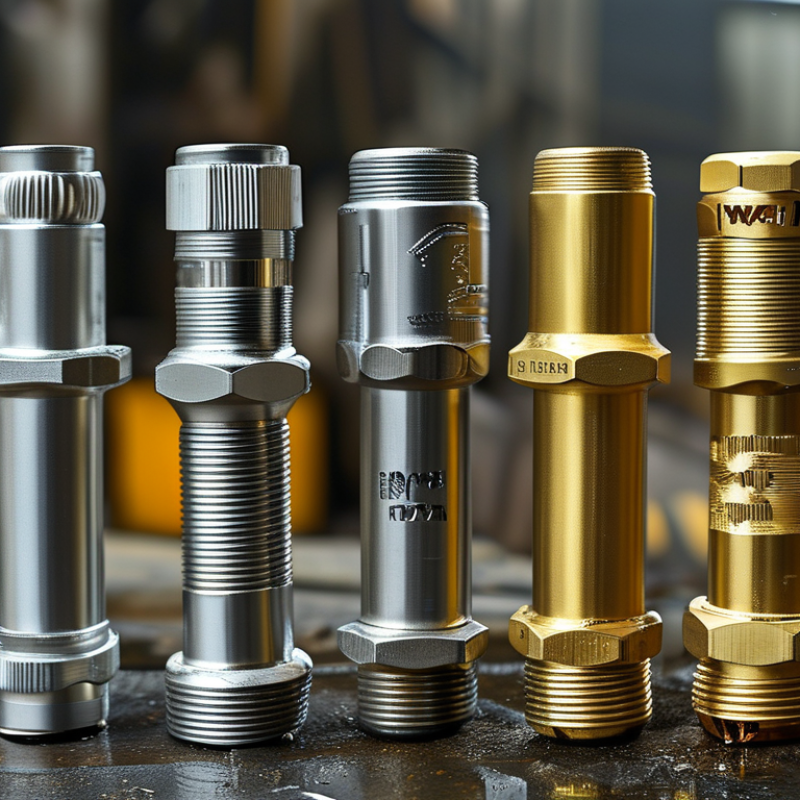
Armoured cable glands connect an armoured cable to electrical equipment while maintaining mechanical protection and environmental sealing. They are used where cables face vibration, moisture, dust, or accidental pulling. A typical gland includes a threaded body, sealing ring, locknut, and armour clamping parts.
The gland grips the cable’s outer sheath and anchors the metal armour. Its sealing ring compresses around the cable, limiting water and dust entry. The armour clamp also provides a path for fault current when the installation requires earthing continuity. This detail matters near motors, control panels, and outdoor junction boxes. Small gaps can cause large problems.
During site inspections, technicians often find glands selected by thread size alone. That is not enough. Cable diameter, armour type, enclosure material, temperature, and entry direction all affect performance. An oversized seal may compress poorly. An undersized gland can damage the sheath. Neither result is acceptable.
Global buyers should check the cable construction before ordering. Metric and other thread systems may look similar but cannot always interchange safely. Installation torque also deserves attention; excessive force can distort the seal or enclosure. I once underestimated how much humidity changes installation conditions. A dry workshop can hide sealing weaknesses that appear during rainy commissioning. Product documentation, inspection records, and competent installation are therefore as important as the gland itself. A reliable choice matches the cable, enclosure, environment, and required protection level.
7 Best Armoured Cable Glands for Global Buyers? - What Are Armoured Cable Glands and How Do They Work?
Armoured cable glands secure the cable entry, seal against dust and moisture, and provide mechanical retention and earth continuity through the cable armour. The most suitable type depends on the installation environment, armour construction, enclosure rating, hazardous-area classification, and applicable standards.
| Gland Type | Typical Cable and Armour Compatibility | Recommended Installation | Typical Protection Level | Main Working Principle | Common Materials | Key Advantages | Important Selection Checks |
|---|---|---|---|---|---|---|---|
| BW Indoor Armoured Gland | Steel wire armoured or wire-braided cables with a bedding layer; commonly used with PVC, XLPE, or elastomeric cable jackets. | Indoor switchboards, control panels, distribution cabinets, and dry industrial rooms. | Depends on the sealing washer, shroud, and enclosure design. |
A compression nut clamps the inner bedding and secures the armour using a cone and ring arrangement. The gland body provides earth continuity. | Nickel-plated brass, brass, stainless steel, or polymer components. | Simple construction, easy installation, and suitable for many general-purpose indoor applications. | Confirm cable bedding diameter, armour diameter, gland thread, earth-bonding requirements, and whether an external shroud is needed. |
| CW Outdoor Armoured Gland | Steel wire armoured cables and other round armoured power or control cables with a suitable outer sheath. | Outdoor equipment, cable trays, external junction boxes, substations, and exposed industrial installations. | Only when the complete assembly is correctly sealed and tested. |
It grips the armour for mechanical retention and compresses an outer seal around the cable jacket to limit water and dust entry. | Nickel-plated brass, stainless steel, aluminum, or engineered polymer. | Better environmental sealing than a basic indoor gland and well suited to outdoor cable entries. | Check outer sheath diameter, temperature range, UV resistance, corrosion exposure, thread form, and the required immersion rating. |
| E1W Double-Seal Armoured Gland | Armoured power, control, and instrumentation cables where sealing is required at both the inner bedding and outer sheath. | Indoor or outdoor industrial equipment requiring improved moisture protection and cable retention. | Actual rating is product- and installation-dependent. |
Separate sealing points compress around the cable bedding and outer jacket while the armour clamping system maintains mechanical and electrical continuity. | Nickel-plated brass, stainless steel, or marine-grade corrosion-resistant alloys. | Provides stronger sealing redundancy and is useful where cable construction or environmental conditions are demanding. | Measure both the bedding diameter and outer jacket diameter. Verify the permitted armour range and the manufacturer’s sealing instructions. |
| E1FW Fire-Resistant Armoured Gland | Armoured cables used in systems requiring enhanced fire, smoke, or circuit-integrity performance; cable certification must be compatible. | Fire alarm, emergency power, safety systems, tunnels, transport infrastructure, and critical industrial facilities. | Fire performance is separate from ingress protection. |
Uses a robust armour-clamping and sealing design, often with fire-resistant or low-smoke sealing components selected for the cable system. | Nickel-plated brass, stainless steel, and tested fire-resistant elastomers. | Supports demanding fire-safety applications when used as part of a tested cable-and-gland system. | Do not assume fire performance from the gland alone. Verify the complete system certification, fire duration, temperature, and installation method. |
| Barrier Armoured Gland | Armoured cables in hazardous areas, particularly cables with fillers, irregular bedding, or construction that may not seal reliably with an elastomeric seal alone. | Oil and gas facilities, chemical plants, refineries, offshore platforms, and other classified hazardous locations. | Hazardous-area approval must be checked separately. |
Resin or compound fills the interstices around the cable conductors to create a gas-tight seal. Armour is clamped for retention and bonding. | Nickel-plated brass, stainless steel, or other certified corrosion-resistant materials; approved sealing compound. | Provides a high-integrity seal for difficult cable constructions and can help prevent gas migration through the cable. | Confirm hazardous-area protection concept, gas or dust group, temperature class, compound compatibility, curing conditions, and certification scope. |
| EMC Armoured Gland | Armoured power, control, data, and instrumentation cables where electromagnetic compatibility and low transfer impedance are important. | Variable-speed drives, automation panels, data centers, rail systems, renewable-energy equipment, and sensitive electronic installations. | EMC performance and ingress protection are separate properties. |
A conductive contact element bonds the cable screen, braid, or armour to the gland and enclosure, creating a controlled low-impedance path for interference currents. | Nickel-plated brass, stainless steel, aluminum, and conductive contact components. | Improves shielding continuity and can reduce electromagnetic interference when correctly bonded at the system level. | Check cable screen construction, bonding strategy, contact resistance, frequency range, enclosure material, and 360-degree shield termination requirements. |
| Marine and Offshore Armoured Gland | Armoured marine, offshore, shipboard, and subsea-related cables exposed to salt spray, vibration, oil, and severe weather. | Ships, offshore platforms, coastal power systems, marine switchboards, and exposed deck equipment. | Saltwater immersion, vibration, and impact requirements may require additional approvals. |
Combines armour clamping, environmental sealing, and bonding with materials and seals selected for harsh marine conditions. | Duplex or marine-grade stainless steel, nickel-plated brass, brass, and oil-resistant elastomers. | Better resistance to corrosion, vibration, saltwater, and demanding temperature cycles than standard indoor glands. | Check marine approval, galvanic-corrosion risk, saltwater resistance, vibration rating, impact rating, cable bend radius, and maintenance access. |
Technical note: IP ratings, hazardous-area approvals, fire performance, and electrical continuity are not automatically guaranteed by a gland category. Always match the gland to the cable’s bedding and outer-jacket diameters, armour type and size, thread standard, operating temperature, enclosure material, and the installation standard applicable in the destination country.
Related Posts
-
How to Choose the Right Armoured Cable Gland for Your Electrical Needs
-
The Best Waterproof Cable Glands for Your Wiring Needs?
-
What is Metal Clad Cable and How is it Used?
-
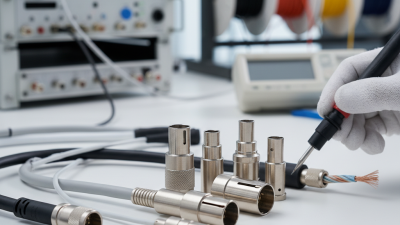
Top Electrical Cable Connectors in China for Reliable Connections?
-

Comprehensive Guide to Selecting the Best Flexible Cable Conduit for Your Project
-
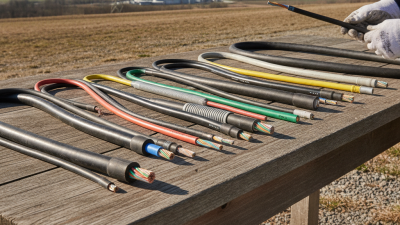
Top 10 Outdoor Electrical Cables in China You Should Know?
Our quality management system is registered to ISO 9001: 2015. Our team is dedicated to consistently providing quality service and products to our customers.