A partner you can trust
Choosing the right Hydrogen Gas Plant supplier in 2026 requires more than comparing price lists or polished factory videos. Global buyers need evidence of engineering depth, operating experience, transparent testing, and dependable after-sales support. Hydrogen projects involve high-pressure systems, purification units, compressors, storage interfaces, water treatment, and control software. One weak link can reduce output, increase maintenance, or delay commissioning.
Fatih Birol, Executive Director of the International Energy Agency, observed, “Hydrogen is currently enjoying unprecedented political and business momentum, with the number of policies and projects around the world expanding rapidly.” That momentum makes supplier selection more important, not easier. A credible manufacturer should explain feedstock quality, production capacity, energy consumption, safety design, delivery scope, and expected performance under local conditions. References from comparable installations matter. So do factory acceptance tests, documentation quality, operator training, and realistic warranty terms.
This guide compares leading Hydrogen Gas Plant suppliers for global buyers, focusing on technical capability, project execution, customization, service networks, and long-term value. Some rankings remain imperfect. Public data can be incomplete, and supplier claims may not reflect field performance. Buyers should verify certifications, inspect manufacturing processes, and request independent performance evidence before signing. Look beyond the brochure. A reliable partner discusses limitations openly, including water availability, renewable power variability, spare-parts access, and grid conditions. The strongest supplier is not always the largest. It is the one that can deliver safely, consistently, and transparently from design review to daily operation.
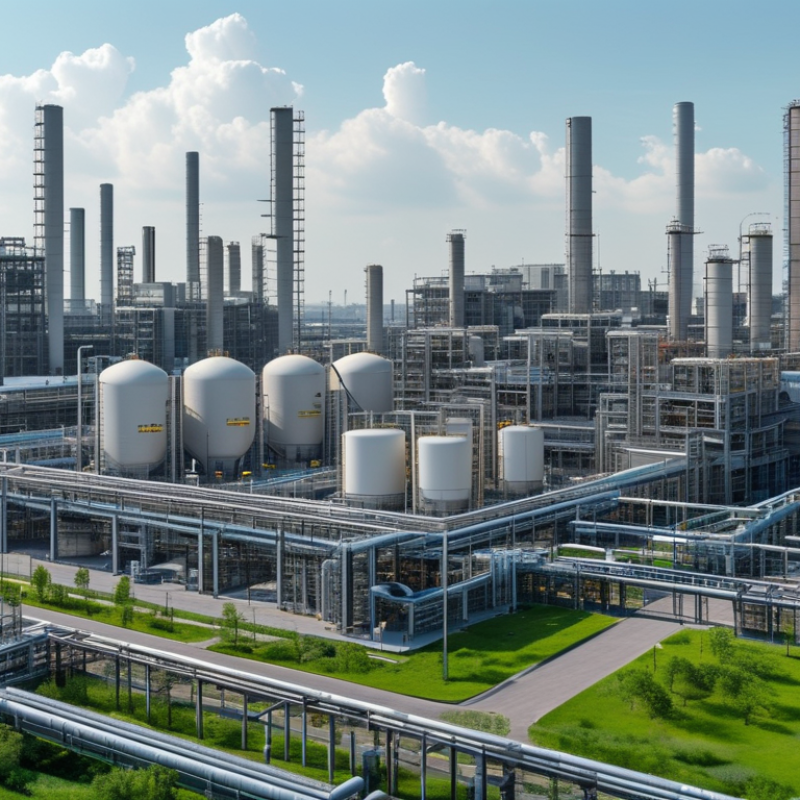
Hydrogen gas plants convert energy and feedstock into usable hydrogen through several connected systems. The main routes are electrolysis, natural gas reforming, and biomass-based processing. Electrolysis splits treated water with electricity, while reforming uses heat to release hydrogen from hydrocarbons. Each route has different emissions, water, and operating requirements.
Core equipment includes feedwater treatment, electrolyzers or reformers, gas separation units, dryers, compressors, and storage vessels. Purification matters because fuel-cell applications require extremely clean hydrogen. Pressure swing adsorption can remove unwanted gases, while membrane systems may provide additional polishing. Compression then raises the gas pressure for transport or dispensing. Small leaks can become serious hazards.
Safety design must cover ventilation, leak detection, electrical classification, pressure relief, and emergency shutdowns. Experienced suppliers should provide process data, maintenance plans, factory testing, and realistic production guarantees. Buyers also need to examine local water quality, renewable power reliability, grid limits, and workforce skills. A plant that performs well in one region may struggle elsewhere.
The difficult part is integration. Electrolysis looks simple on paper. It is not. Variable renewable power can increase equipment cycling and reduce output stability. Reforming may offer steadier production, but carbon management changes the project’s cost and complexity. I would request measured performance data, not only design estimates. Some specifications remain optimistic, especially under dusty, hot, or humid conditions. Careful pilot testing can expose those weaknesses before full-scale construction.
This chart compares representative energy requirements for major hydrogen plant technologies. Values are shown in kilowatt-hours per kilogram of hydrogen and are based on commonly reported industry ranges; actual performance varies with plant design, feedstock, operating pressure, and system efficiency.
Alkaline and PEM electrolysis generally require about 50–60 kWh/kg of electricity, while steam methane reforming typically uses approximately 45–55 kWh/kg of chemical and process energy. Electrolysis emissions depend strongly on the electricity source, whereas reforming plants require carbon management to reduce emissions.
2026 Best Hydrogen Gas Plant Suppliers for Global Buyers
Selecting a hydrogen plant supplier requires more than comparing quoted prices. Evaluate proven experience with projects similar to your production capacity, feedwater quality, and operating environment. Ask for commissioning records, performance data, and customer references from independent facilities. Technical expertise should cover electrolyzers, gas purification, compression, storage, controls, and maintenance. The supplier should explain expected hydrogen purity, energy consumption, output stability, and equipment lifespan in measurable terms. Ask for evidence. A polished proposal may still hide weak after-sales support or unclear operating limits.
Tips: Use a written scorecard. Check certifications, factory testing, cybersecurity controls, spare-parts availability, and technician response times. Request a realistic lifecycle-cost model, not only the purchase price. Confirm who handles civil works, utilities, training, insurance, and local permitting. Details matter. Visit an operating site when possible, and speak with its operators privately.
Reliability also depends on transparent contracts. Review delivery milestones, acceptance testing, warranty exclusions, efficiency guarantees, and remedies for underperformance. The supplier should adapt documentation and safety procedures to your jurisdiction without making unsupported legal claims. Strong suppliers explain risks openly, including water treatment failures, power fluctuations, delayed components, and degradation. No scorecard is perfect. Buyers can still overvalue impressive demonstrations and underestimate routine maintenance. Keep assumptions visible, update them after technical workshops, and require every important promise in writing.
| Evaluation Dimension | Practical Buyer Benchmark | Documents and Data to Request | Why It Matters |
|---|---|---|---|
| Hydrogen Production Technology | Compare alkaline, PEM, solid oxide, or hybrid systems according to operating profile. Alkaline and PEM systems are currently the most widely deployed electrolysis options for industrial projects. | Technology description, process-flow diagram, operating envelope, ramp-rate data, start-up frequency limits, and references for comparable projects. | Technology selection affects flexibility, capital cost, maintenance, renewable-power compatibility, and hydrogen purity. |
| Plant Capacity and Modularity | Require a clearly defined capacity range, such as 1–10 MW for distributed projects and 10–100+ MW for larger industrial developments. Confirm whether the system can be expanded by adding standardized modules. | Guaranteed hydrogen output in kg/day or Nm³/h, module size, expansion layout, site-area requirements, and load-balancing strategy. | Modularity reduces expansion risk and helps buyers match production capacity with phased demand and grid availability. |
| Specific Energy Consumption | Evaluate the complete system rather than the stack alone. Modern water-electrolysis projects commonly target approximately 50–55 kWh per kg of hydrogen, depending on pressure, temperature, auxiliary equipment, and operating load. | Guaranteed kWh/kg figures at rated, part-load, and annual-average conditions, including rectifiers, cooling, water treatment, controls, and gas purification. | Electricity is usually the largest operating expense in green-hydrogen production, so small efficiency differences can materially affect lifetime cost. |
| Hydrogen Purity and Gas Quality | Define the required purity before procurement. Electrolysis systems may deliver approximately 99.9% to 99.9999% hydrogen depending on separation, drying, and purification equipment. | Product-gas specification, impurity limits for oxygen, moisture, nitrogen, and particulates, sampling method, calibration certificates, and purification guarantees. | Fuel-cell, semiconductor, chemical, and mobility applications can require substantially different purity and moisture limits. |
| Delivery Pressure and Compression | Confirm electrolyzer outlet pressure and final delivery pressure separately. Electrolyzer systems may operate from low pressure to approximately 20–30 bar, while higher-pressure storage or dispensing normally requires additional compression. | Pressure-volume-flow data, compressor specification, discharge-pressure guarantee, compression energy consumption, storage interface, and pressure-relief design. | Compression can add significant capital and energy costs and must be sized for the actual storage, pipeline, or fueling application. |
| Water Quality and Consumption | The theoretical water requirement is about 9 liters per kilogram of hydrogen. Practical plant consumption is commonly higher, often around 10–15 liters per kilogram after purification, cooling, blowdown, and other losses. | Feed-water specification, treated-water consumption, reject-water ratio, pretreatment design, wastewater plan, and seasonal water-quality assumptions. | Water availability, treatment cost, and discharge requirements can determine whether a project is viable at the selected site. |
| Renewable-Power and Grid Compatibility | For variable renewable power, assess turndown capability, ramp rate, minimum stable load, start-up time, and performance under intermittent operation. Do not rely only on rated-load efficiency. | Dynamic simulation, power-quality requirements, ramp-rate curves, minimum-load data, grid-code compliance statement, and renewable-power matching model. | Actual annual hydrogen output depends on how efficiently the plant operates across changing power conditions. |
| Availability and Degradation | Request an annual availability guarantee and a defined degradation curve. The contract should distinguish planned maintenance, forced outages, balance-of-plant failures, and stack replacement intervals. | Availability calculation method, guaranteed operating hours, stack-life assumptions, degradation rate, maintenance schedule, and spare-parts plan. | High nameplate capacity does not compensate for frequent outages or faster-than-expected performance degradation. |
| Safety Engineering | The design should address hydrogen leakage, oxygen separation, ventilation, ignition control, pressure relief, emergency shutdown, hazardous-area classification, and gas detection. | HAZOP or HAZID report, cause-and-effect matrix, P&ID, safety-integrity analysis, ventilation calculations, gas-detector layout, and emergency-response procedures. | Hydrogen has a wide flammability range and low ignition energy, making engineered safety systems essential for permitting and operation. |
| Applicable Standards and Certification | Confirm project-specific compliance with relevant requirements such as ISO 22734 for hydrogen generators using water electrolysis, IEC 61508 for functional safety, ASME B31.12 for hydrogen piping where applicable, and local electrical and pressure-equipment rules. | Compliance matrix, third-party inspection plan, pressure-vessel certificates, electrical certificates, functional-safety documentation, and local authority approval pathway. | Standards compliance supports permitting, insurance, safe commissioning, and acceptance by international project financiers. |
| Balance-of-Plant Integration | Evaluate the complete plant package, including transformers, rectifiers, cooling, water treatment, gas separation, drying, purification, compression, storage, controls, and civil interfaces. | Battery-limit definition, single-line diagram, utility list, equipment responsibility matrix, interface schedule, and complete plot plan. | Many project delays and cost increases originate at interfaces between the electrolyzer and supporting systems. |
| Control System and Remote Monitoring | Require a documented control architecture with data logging, alarm management, cybersecurity controls, remote diagnostics, and integration with the buyer’s SCADA or energy-management system. | Control philosophy, communications protocol list, cybersecurity policy, sample operating dashboard, alarm-response logic, and data-retention policy. | Reliable data improves operational decisions, warranty verification, predictive maintenance, and regulatory reporting. |
| Engineering, Procurement, and Construction Capability | Prefer suppliers able to provide a clearly defined scope, schedule, commissioning plan, construction supervision, and responsibility for system integration rather than only supplying individual stacks. | Project schedule, engineering deliverables register, procurement plan, construction method statement, commissioning procedure, and subcontractor responsibilities. | A single accountable integrator can reduce coordination risk between process, electrical, mechanical, civil, and safety packages. |
| Performance Guarantees and Acceptance Testing | The contract should define measurable guarantees for hydrogen flow, purity, pressure, energy consumption, availability, noise, emissions, and water consumption under agreed test conditions. | Guaranteed-performance schedule, test protocol, measurement tolerances, independent testing requirements, liquidated damages, and remedy provisions. | Clear acceptance criteria prevent disputes and ensure that the delivered plant performs as required in commercial operation. |
| Warranty and Long-Term Service | Compare warranty duration, stack coverage, response time, preventive-maintenance scope, remote support, local service capability, and availability of critical spare parts. | Warranty terms, service-level agreement, spare-parts list, technician coverage map, maintenance pricing, and stack-replacement assumptions. | Long-term service quality strongly influences uptime, lifecycle cost, and the ability to maintain the plant in remote locations. |
| Total Cost of Ownership | Compare capital expenditure, electricity consumption, water treatment, cooling, compression, maintenance, stack replacement, labor, insurance, and end-of-life costs over the planned project life. | 10–20-year lifecycle-cost model, assumptions register, sensitivity analysis for electricity price and capacity factor, and firm-versus-variable cost breakdown. | The lowest equipment purchase price may not provide the lowest levelized cost of hydrogen. |
| Supply-Chain Resilience | Assess manufacturing capacity, lead times for stacks and power electronics, qualified alternative components, logistics routes, export controls, and contingency plans for critical parts. | Production-capacity statement, long-lead-item register, bill of critical materials, supplier qualification process, and logistics risk assessment. | Supply interruptions can delay commissioning and make future repairs difficult, especially for large or remote projects. |
| Environmental and Carbon Accounting | Require transparent accounting of electricity source, renewable matching, water use, upstream equipment emissions, oxygen handling, and hydrogen carbon intensity. | Energy-source documentation, carbon-intensity methodology, environmental-impact assessment, water-impact study, and product-carbon-footprint data. | Carbon-intensity rules and renewable-hydrogen certification schemes may affect market access, incentives, and offtake contracts. |
| Commercial and Financial Stability | Evaluate the supplier’s ability to support the full warranty period, honor performance guarantees, finance long-lead equipment, and maintain technical support throughout the project lifecycle. | Audited financial information where available, parent or project guarantees, insurance coverage, bonding capacity, payment milestones, and bankruptcy-remedy provisions. | Supplier continuity is particularly important for projects that depend on proprietary controls, stack designs, or specialized spare parts. |

In 2026, hydrogen gas plant suppliers must serve more than one industrial model. A refinery may need steady hydrogen purity, while a steel plant may prioritize large flow rates and flexible operation. Electronics manufacturers often require extremely clean gas, stable pressure, and detailed contamination control. Suppliers with modular plant designs can adapt equipment more effectively to these different demands.
Experienced buyers should examine the complete supply package, not only the electrolyzer or reforming unit. Ask about feedwater treatment, compression, storage, purification, cooling, controls, and emergency shutdown systems. A reliable supplier should provide test records, maintenance schedules, operator training, and clear performance guarantees. Local service capacity also matters. A technically strong plant can still lose value when replacement parts take months to arrive.
Safety remains central. Good suppliers explain ventilation, leak detection, pressure relief, electrical classification, and site separation in practical terms. They also support compliance with applicable national and international standards. No supplier is perfect. A polished proposal may hide difficult integration work. Buyers should request references for similar climates, production volumes, and operating hours. Factory testing helps, but it cannot reproduce every field condition. Careful questions expose those gaps.
Choosing a hydrogen gas plant supplier in 2026 requires more than comparing equipment prices. Buyers should request a cost breakdown covering engineering, utilities, installation, commissioning, maintenance, spare parts, and freight. A lower initial quote may hide expensive cooling systems or difficult site work. Cheap bids fail.
Capacity figures also need careful verification. Ask whether the stated output is continuous or only a short test result. Confirm hydrogen purity, delivery pressure, operating hours, feedwater quality, and expected efficiency. Suppliers should provide performance data from comparable projects, not only laboratory figures. Numbers can mislead.
Safety deserves a documented, practical review. Evaluate leak detection, ventilation, pressure relief, emergency shutdowns, electrical classification, and operator training. Request hazard studies, inspection records, material certificates, and compliance with applicable local and international standards. Factory acceptance testing can reveal control problems before shipment, while site acceptance testing confirms real performance. Delivery capability includes manufacturing capacity, packaging, export documentation, installation support, and response times for replacement parts. A supplier with strong engineering knowledge but weak after-sales service may create long downtime. Buyers should also examine financial stability and reference projects under similar climate and grid conditions. One weakness remains common: delivery schedules are often optimistic. Build contingency into the project plan.
Choosing a hydrogen gas plant supplier for 2026 starts with the project, not a glossy catalog.
Define output, purity, feedstock, pressure, uptime, footprint, and expansion plans. Ask suppliers to convert these needs into a written process design basis. A credible team explains assumptions and shows where performance may change. Request recent project references with similar climate, utilities, and production scale. Speak with operators, not only sales staff. Their maintenance records often reveal more than polished presentations. Check whether the supplier has qualified engineers for process, electrical, controls, and safety work. This matters when a small design gap becomes a costly shutdown.
Evaluate technical evidence before comparing prices. Review mass balances, energy consumption, water demand, equipment warranties, spare-parts availability, and expected service life. Ask for factory acceptance testing, site acceptance testing, and clear performance guarantees. Independent inspection can verify materials, weld quality, pressure protection, and control logic. Confirm compliance with applicable national codes, electrical rules, environmental permits, and hazardous-area requirements. Requirements differ by location. A capable supplier should help map them without replacing local authorities. Visit a running facility if possible. Look closely at housekeeping, alarms, labeling, and operator training.
Partnership terms deserve equal attention.
Set milestones for engineering, procurement, construction, commissioning, training, and after-sales response. Put change-control rules in writing. Define who owns data, software access, manuals, and improvement recommendations. I would also test communication during the tender stage. Send one technical clarification and watch the response time and precision. It is not a perfect test. People can perform well under pressure. Still, repeated vague answers are a warning. Choose a partner willing to document limits, admit uncertainty, and improve the design with your operating team.
This content is restricted to site members. If you are an existing user, please log in. New users may register … LEARN MORE “Lighting Power & Control-Signal Cable”
We are here to help. You can contact us or create an account online to have access to special products, technical specifications and our new online quote tool.
ELECTRO CABLES
9 Riverside Drive
P.O. Box 276
Trenton, Ontario
CANADA K8V 5R5
N.A. Toll Free: 888-ELECTRO
(1-888-353-2876)
World: 613-394-4896
Fax: 613-394-4101
Email: sale@machinecables.com
We manufacture cables that are certified by the Canadian Standards Association (CSA), listed by Underwriters Laboratories and/or listed by Intertek (ETL).
Our quality management system is registered to ISO 9001: 2015. Our team is dedicated to consistently providing quality service and products to our customers.

© 2025 ELECTRO CABLES • SITE BY SNAP 360•